
Explore the intricate relationship between the traditional illegal lottery jueteng and the emerging trend of BET478 in the Philippines, highlighting its economic, social, and legal implications.
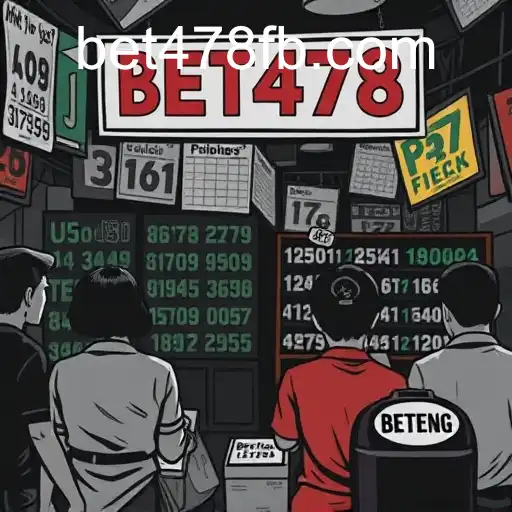
Jueteng and the Rise of BET478 in the Philippines
Understanding Jueteng: A Multifaceted Illegal Lottery
Jueteng is an illicit numbers game rooted in the Philippines' cultural fabric. Despite its illegal status, it is widespread and deeply embedded in Philippine society, reflecting both the cultural and economic dimensions of the nation. Essentially, jueteng revolves around a simple betting system where bettors choose a combination of numbers, typically from 1 to 37. Draws occur twice daily, where winning numbers are selected, often purportedly at random.
The allure of jueteng lies in its simplicity and the prospect of quick earnings, albeit with significant risks. For many Filipinos, it offers a respite from economic challenges, providing immediate returns on small bets. This all-encompassing appeal extends across various socioeconomic strata, capturing the interest of both low-income earners hoping for financial relief and others seeking quick gains.
Economic Implications: Jueteng as a Lifeline
To grasp the gravity of jueteng, one must understand its economic implications. For countless informal sector workers and individuals without access to formal financial systems, jueteng represents a quick fix. It serves as an informal financial mechanism, albeit illegal, that funds daily needs and unforeseen expenses.
535Bet.comIndividuals betting in jueteng are often part of deeply entrenched networks that include cobradors (collectors) and cabos (managers). The cobradors roam cities and barrios, collating bets and handing slips to hopeful bettors. This network, however unsanctioned, provides employment in areas where opportunities might otherwise be scant.
1X-CLZBET478: Shifting Paradigms in Jueteng Operations
The mention of BET478 has recently gained traction in discussions surrounding jueteng. BET478 symbolizes a burgeoning wave of technological integration into this age-old game. With digital platforms becoming increasingly accessible, jueteng operators are reportedly leveraging technology to streamline operations, enhance security, and possibly even widen their reach.
The shift towards digital operations under the banner of BET478 indicates an adaptive strategy by which traditional jueteng maintains relevance in an increasingly digital world. These technological advancements could feasibly expand the game’s demographic reach, enticing a new generation familiar with online platforms. Moreover, they enhance the efficiency of betting and collection processes, potentially increasing overall turnover.
Social and Legal Implications
AA44.comDespite its economic and social foothold, jueteng remains illegal under Philippine law. This persistent challenge highlights the tension between established societal norms and legal frameworks. The clandestine nature of jueteng operations complicates regulatory efforts by authorities, further intensified by allegations of corruption within enforcement agencies.
POPVAIBET478, with its potential digital façade, might complicate enforcement efforts by layering technology over already complex networks. This intersection of legality and social practice necessitates robust discourse on regulation and the potential for formalizing adaptations that align with both local exigencies and international standards.bet10
Potential Pathways Forward
While outright legalization is contentious, some argue for regulatory frameworks that acknowledge jueteng's socio-economic role. This might involve transitioning aspects of tradition-bound practices like jueteng into legitimate channels that ensure both compliance with legal standards and protection for participants.
Any effort to formalize or even eradicate jueteng must confront the economic vacuum it could leave for those depending on it. Alternative employment opportunities and financial education initiatives are crucial to dissuade reliance on such systems. Furthermore, transparency and accountability within governmental and enforcement sectors are vital to addressing public distrust and allegations of corruption.
BET478, when viewed objectively, represents a dynamic evolution of jueteng rather than a singular solution to its complexities. Its rise underscores the imperative to balance tradition with innovation, legality with reality, and economic need with regulatory integrity.